I’ve been searching for books that are rich in content and beautifully illustrated—books I can surround my daughter with. What children see and hear is so important. It speaks to them of what is possible, what is normal, what is beautiful, and what is important. What they see and hear shapes both their perspective and imagination.
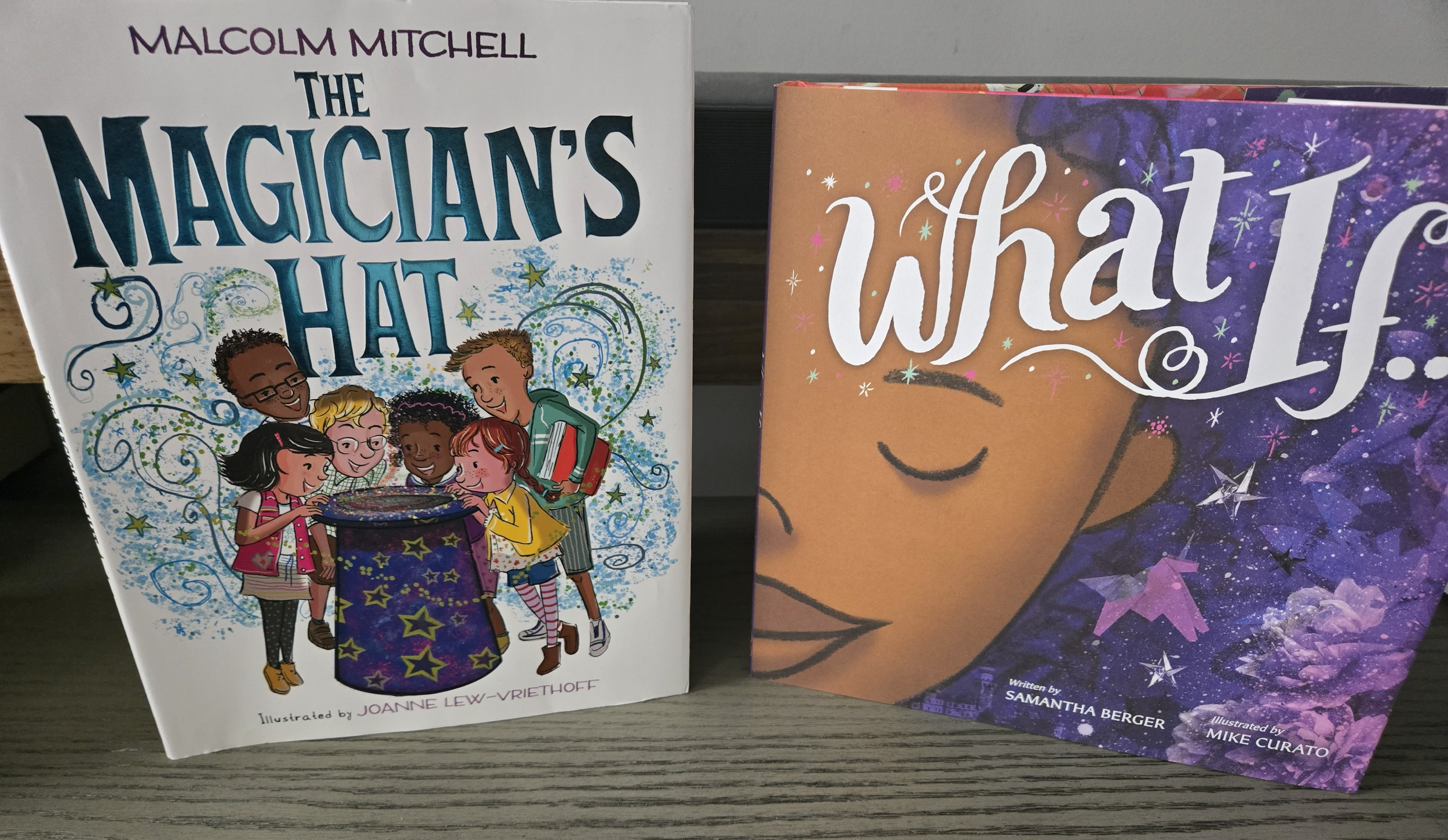
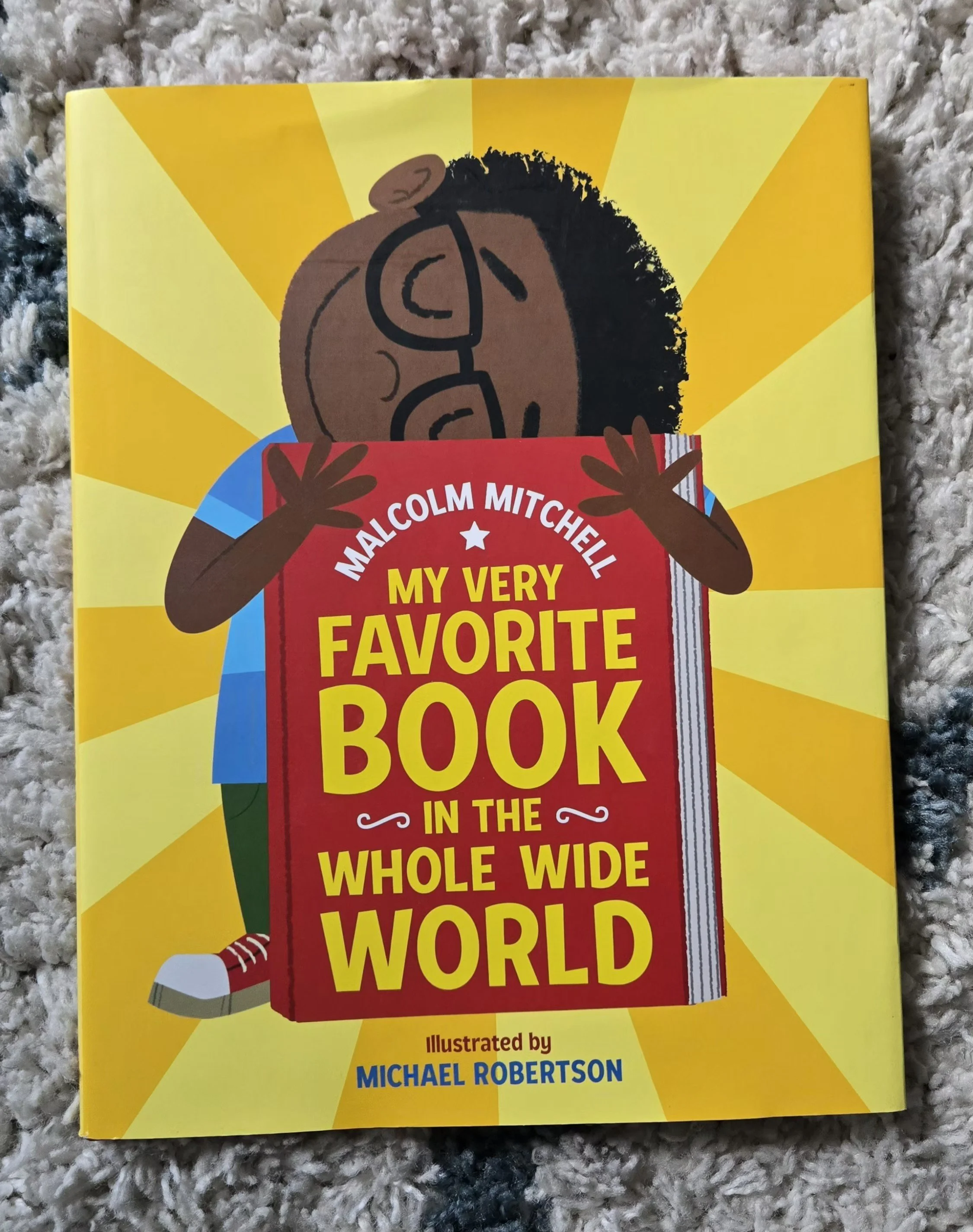
In our home, we read a variety of books, but it’s especially important to me that my daughter has easy access to stories that showcase the beauty of various shades of brown and different textures of hair. The books below are Amazon finds I recently purchased. What initially drew me in were the beautiful depictions of Black children on the covers. As I read, I found that these books—woven with poetry and history—tell stories that affirm the identity and dreams of brown-skinned children.
I couldn’t find much information about the authors or illustrators, but I’ve hyperlinked each book at the end of this post.
I need my daughter to see that her shade of brown and her hair’s texture are so beautiful that writers and artists felt compelled to capture and celebrate them in their work. I need her to see this effort on movie screens and in music videos. I need her to hear it, as talented artists and producers infuse it into their creations. (Sidenote: I’m so grateful for Beyoncé’s “Brown Skin Girl”! It’s a regular track during bathtime and hair day.)
When my daughter spreads her wings and leaves our home, I want her to place a period at the end of every affirmative statement about herself—her beauty, her ability, and her worth.
I am enough. PERIOD
I am beautiful. PERIOD
I am smart. PERIOD
I am able. PERIOD
I am worthy. PERIOD
Too often, the world tries to twist these affirmations into questions:
Am I enough?
Am I beautiful?
Am I smart?
Am I able?
Am I worthy?
Then, once the question is planted in the soul, the world moves on—attempting to turn those original truths into lies that bind, hinder, break, and suffocate.
I am not enough.
I am not beautiful.
I am not smart.
I am not able.
I am not worthy.
Our belief systems influence our decisions and actions. They show up in how we talk about ourselves, what we accept and don’t accept, the types of risks we take, and the expectations we hold for ourselves and others.
As parents and caregivers, we have the opportunity—no, the responsibility—to help shape healthy belief systems and self-concept. For those of us raising children whose skin holds larger quantities of melanin, we must be especially intentional about ensuring they see and know their beauty and worth—without question.
I’m grateful for a husband who uses his words to continually affirm and build up our daughter. As an artist, educator, and writer, I feel it’s my responsibility to parallel his intentionality by placing books in her hands that echo the truth of her beauty, strength, history, worth, ability, and potential.
With that said, I’ll be back over time to share the books we love—those that are supporting us as we steward the healthy development of our daughter.